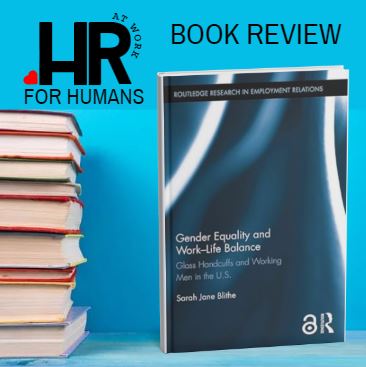
This important study examines the obstacles males encounter in attaining a work-life balance in the US and provides insight into how more inclusive policies and practices might promote gender equality in the workplace.
Redefining Work-Life Dynamics
The goal of work-life balance has gained significant importance in today’s workplace culture, particularly in the United States where many workers experience pressure to perform well both at work and at home. Gender Equality and Work-Life Balance by Sarah Blithe shows how difficult it is for males to achieve work-life balance and that men are not the only ones who struggle to manage many responsibilities. The concept of “glass handcuffs,” which the book develops, illustrates the limitations men encounter when juggling their personal and professional lives. By tackling these problems, the author promotes a more fair approach to work-life regulations with the goal of removing the obstacles preventing all workers from succeeding in their dual capacities.
Blithe’s work delves into the dynamics of work-life practices among men, demonstrating how deeply ingrained cultural norms and institutional policies contribute to these inequalities. The book connects various theoretical concepts, such as leave policies, occupational identity, and economic necessity, to provide a comprehensive understanding of the social justice issues at play. It serves as a critical resource for HR professionals, illustrating the need for policy changes that can create a more supportive environment for all employees, regardless of gender. By fostering open conversations about work-life balance, organisations can take significant steps toward humanising HR practices, ensuring that every employee has the opportunity to fulfil both personal and professional commitments.
I sought to identify any potential shortcomings but found none; the book is thorough and engaging, offering valuable insights into an often-overlooked aspect of workplace dynamics. Readers who prefer traditional views on gender roles may struggle with the concepts presented, while those open to progressive ideas will appreciate the depth of analysis and solutions proposed. This work resonates with themes from Judith Butler’s writings on gender, as it challenges the established norms and advocates for greater inclusivity. Gender Equality and Work-Life Balance is like a key that unlocks the door to a more equitable workplace, inviting readers to consider how changing the narrative around work-life balance can benefit everyone.
About the Author
Sarah Jane Blithe is an Assistant Professor of Communication Studies at the University of Nevada, Reno, USA.
Join the Discussion
- How do you perceive the impact of gender roles on work-life balance?
- What changes would you suggest to promote gender equality in your workplace?
- How can organisations better support employees in achieving work-life balance?
Disclaimer and Other Relevant Information
The insights and any linked resources in our content are for informational purposes only and do not constitute professional advice. The opinions expressed in our articles reflect the contributors’ perspectives and do not necessarily represent the views of our entire platform. Please consult our policies for more information.
Here are the shortcuts to our policies that must be read along with each other:
- Terms of Service
- Disclaimer and Disclosure
- Privacy Policy
- Voluntary Contribution Policy
- Editorial Guidelines
- Content Submissions
For more details about us and what we do, here are some of the links:
- About Us
- Blog
- Book Review Request Step 3
- Book Reviews and Requests
- Contact
- Content Submissions
- Disclaimer
- Editorial Guidelines
- Humane HR Awards
- Humane HR Awards Winners
- Humane HR Book Reviews
- Humane HR Perspectives
- Magazine
- News
- Our Supporters
- Privacy Policy
- Subscribe
- Support Us
- Terms of Service
- Voluntary Contribution Policy
Here are shortcuts to our content:
- All About Humanising HR
- Book Reviews
- Compensation and Benefits
- Compliance
- Diversity and Inclusion
- Employee Engagement
- Employee Relations
- Humane HR Awards
- Humane HR Perspectives
- Humane HR Talk
- Morale and Welfare
- News and Announcements
- Performance Management
- Recruitment and Selection
- Talent Management
- Training and Development
- Workplace Change Management
- Workplace Communications
- Workplace Health and Safety
Nominate for the Humane HR Awards
Let’s recognise, celebrate, and encourage what’s making the world of work better. It’s free to nominate. Submissions are open all year-round, but why wait? Nominate today!


 HR for Humans at Work
Leave a comment