
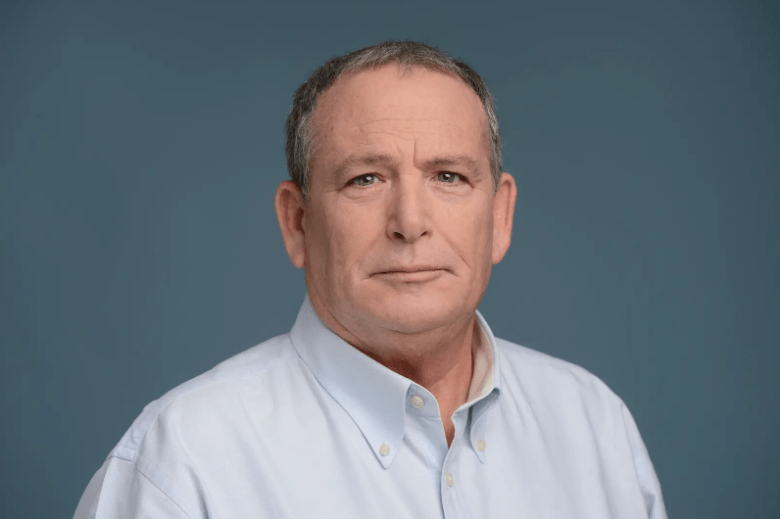
In this interview, Tsvika Abramovitch discusses the evolution of human resource management, the development of his Seesaw Model, and the importance of fostering transparent and empathetic leadership. He offers insights into creating sustainable organizational cultures and the role of emotional intelligence in leadership.
Tsvika, thank you for joining us. To start, can you introduce yourself in your own words—what has shaped your career, what you focus on today, and what you hope to accomplish through your work and writing?
I am a VP of Human Resources with decades of experience, specializing in labor relations management and leading negotiations on collective agreements with employee committees. I have worked in corporations and companies employing thousands of people, and my journey began on the ground – in junior management positions in industry and manufacturing. From there, I grew and advanced, always committed to continuous learning and staying up to date. Over the years, I have completed dozens of professional trainings, attended seminars and international conferences, and I continue to invest in this to this day.
My guiding principle is that organizational success is built through investing in people – nurturing them, providing personal guidance, building real managerial career paths, and giving them the tools to succeed. The book I wrote was born from a desire to share a different managerial approach – one based on a structured process, real-life examples, and practical insights. Today, I focus on implementing the model I created, developing managers, and deepening my knowledge of the next generation of AI tools and their impact on the world of work.
Your book discusses a seesaw model for managing people. What moment or experience made you realize that this metaphor captured the dynamics of work-life and leadership so well?
The model did not emerge from a single dramatic moment but rather from a long process. I tested it in two particularly large companies, where I saw that it produced real, measurable results. Only then did I feel confident enough to formalize it, write about it, and continue implementing it in other organizations. The understanding was clear – this is a tool that creates real change, and it is worth sharing and promoting.
You’ve spent years working with both management and employee levels. What patterns have you noticed that most often throw the organizational “seesaw” off balance—and how can leaders prevent that?
One common phenomenon is addressing balance only when a crisis arises. In other words, until something serious happens, no action is taken. By then, it is often too late, and the impact of any intervention is limited. My model emphasizes continuous diagnosis, identifying trends, and preparing a structured action plan – before a crisis occurs. This prevents burnout among employees and managers and maintains sustainable balance.
In your view, what does sustainable leadership look like? And how can managers align short-term demands with long-term people development without burning out their teams or themselves?
Sustainable leadership is based on openness, transparency, and genuine collaboration with teams. Employees who see the bigger picture and are involved in processes feel more committed, perform better, and experience less burnout. This is not only a value-driven approach – it is also a management strategy that leads to better performance over time.
You mention that emotional intelligence and active listening are crucial. Can you share a time when this made all the difference in resolving a challenge or shifting a team dynamic?
At the start of my managerial career, I asked managers to send me employees for conversations so I could learn about the organization. I discovered that the employees chosen were handpicked and presented an overly positive image that did not reflect reality. Since then, I have made it a point to personally select employees from all levels at random, hold one-on-one meetings with them, and conduct heterogeneous roundtable discussions. This approach allows all voices in the organization to be heard, provides a true understanding of reality, and enables building solutions that address real challenges.
Throughout your career, you’ve implemented unique strategies—like structured roundtable discussions and “freestyle field trips.” How do these creative methods improve transparency and employee engagement?
ODT (outdoor training) activities may appear to be just team-building events, but in reality, they are a powerful diagnostic tool. In the field, when barriers drop, the true organizational culture is revealed. From this, one can derive insights about strengths, weaknesses, and behavioral patterns. After the activity, employees return more connected, prouder, and more engaged, while managers gain a solid foundation for building tailored development plans.
From your vantage point, how can organizations better recognize the potential in overlooked or junior employees—and why is this important for the future of leadership pipelines?
In a management reserve project I led, we opened the opportunity to every employee – regardless of their rank – to participate in a selection process for management roles. Under clear criteria and entry requirements, all candidates were evaluated. The result was the discovery of surprising managerial talents in junior positions, some of whom advanced to senior management roles over the years. This approach ensures a strong and sustainable leadership pipeline for the future.
Has your work led to any awards, recognitions, or milestones you didn’t expect? What did those moments mean to you, and how did they influence your next steps professionally?
I received three international awards for a professional article I wrote about the ‘Seesaw Model’ – two first-place awards and one second-place award. These achievements were professional validation that the model is relevant and appreciated. They encouraged me to write the book, which has since won 11 additional international awards. Beyond personal pride, this is proof that the model resonates with professional audiences worldwide.
What advice would you give to managers who are technically strong but struggle with the human side of leadership—especially when under pressure to perform?
Emotional intelligence is not always an innate trait – but it can and should be developed. It starts with simple daily gestures such as greeting employees and genuinely asking how they are doing, and continues with demonstrating empathy, transparency, and openness to dialogue. When the team feels valued and involved, they work better, produce better results, and make it easier for the manager to meet targets, even under pressure.
Finally, what are you currently curious about? Whether it’s a workplace trend, a people issue, or an idea you’re exploring next, what are you most interested in learning or experimenting with in the near future?
I am particularly intrigued by the impact of artificial intelligence (AI) on labor relations. I want to understand how we can harness AI to train employees, develop them, and carry out professional retraining efficiently. At the same time, I am observing the managerial challenges brought by increasing market competition – and especially the realization that the most connected, committed, and skilled human capital will be the decisive factor in winning the business race.
Links
Connect with Tsvika Abramovitch via LinkedIn.
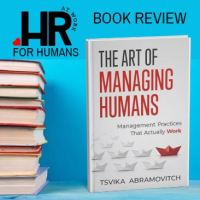
Book Review: The Art of Managing Humans by Tsvika Abramovitch
Do office chairs have feelings? If not, why do they seem to mirror the rise and fall of workplace morale so perfectly? Find out what they represent—and more—in the full write-up.
Keep readingAbout Humane HR Talk
Welcome to Humane HR Talk, where we present insightful interviews with HR industry experts and thought leaders in related fields sharing their strategies, perspectives, and visions for creating more human-centric workplaces. Through these discussions, you’ll gain practical tips and fresh inspiration to transform your HR practices, to foster inclusive, thriving cultures, and to help in your own journey in the evolving world of work.
Share Your Insights
We’d love to hear your thoughts! Share your insights in the comments below.
- What stood out to you about humane HR from what you’ve read?
- What has worked well in your organisation or business?
- What would you recommend?
Disclaimer and Other Relevant Information
The insights and any linked resources in our content are for informational purposes only and do not constitute professional advice. The opinions expressed in our articles reflect the contributors’ perspectives and do not necessarily represent the views of our entire platform. Please consult our policies for more information.
Here are the shortcuts to our policies that must be read along with each other:
- Terms of Service
- Disclaimer and Disclosure
- Privacy Policy
- Voluntary Contribution Policy
- Editorial Guidelines
- Content Submissions
For more details about us and what we do, here are some of the links:
- About Us
- Blog
- Book Review Request Step 3
- Book Reviews and Requests
- Contact
- Content Submissions
- Disclaimer
- Editorial Guidelines
- Humane HR Awards
- Humane HR Awards Winners
- Humane HR Book Reviews
- Humane HR Perspectives
- Magazine
- News
- Our Supporters
- Privacy Policy
- Subscribe
- Support Us
- Terms of Service
- Voluntary Contribution Policy
Here are shortcuts to our content:
- All About Humanising HR
- Book Reviews
- Compensation and Benefits
- Compliance
- Diversity and Inclusion
- Employee Engagement
- Employee Relations
- Humane HR Awards
- Humane HR Perspectives
- Humane HR Talk
- Morale and Welfare
- News and Announcements
- Performance Management
- Recruitment and Selection
- Talent Management
- Training and Development
- Workplace Change Management
- Workplace Communications
- Workplace Health and Safety
Nominate for the Humane HR Awards
Let’s recognise, celebrate, and encourage what’s making the world of work better. It’s free to nominate. Submissions are open all year-round, but why wait? Nominate today!

 HR for Humans at Work
Leave a comment