
Camilla Guo, Chief of Staff at TomoCredit, discusses how building internal systems that support employee well-being is central to sustainable growth. In this interview, she outlines her approach to operations, hiring, and culture across fintech environments shaped by speed, scale, and the need for consistency in people-focused leadership.
Camilla, thank you for taking the time to speak with us. To begin, could you please introduce yourself in your own words? Tell us about your current role, your background, and the broader goals you’re working toward.
Thank you so much for having me—I’m excited to be here. My name is Camilla Guo, and I’m currently the Chief of Staff at TomoCredit. In my role, I wear multiple hats: I oversee internal operations like recruiting, hiring, and onboarding, while also leading our Customer Success team to improve retention and user experience. My journey into this role has been shaped by a passion for building strong teams, empowering diverse talent, and making financial tools more accessible, especially for those overlooked by traditional credit systems. Day to day, I’m focused on aligning strategy across departments, supporting our CEO, and driving forward initiatives that reflect our mission of financial inclusion. Ultimately, I’m working toward creating systems—both internal and customer-facing—that uplift people and open doors to opportunity.
Fintech is known for being fast, competitive, and sometimes overwhelming. What has surprised you the most about managing HR strategy within such an environment—and how have you approached it differently?
What’s surprised me most about managing HR strategy in the fast-paced world of fintech is just how critical proactive care becomes. The faster the environment moves, the more intentional we have to be about staying connected with our team—not just on performance, but on well-being. At TomoCredit, we operate with the belief that every team member is irreplaceable, so it’s essential to check in regularly, assess how each person is handling their workload, and make sure no one is feeling overwhelmed by deadlines or projects. Burnout can creep in quickly if you’re not paying attention, so we’ve adopted a mindset of constantly calibrating—making sure each person is at the “right temperature,” not too stressed, not disengaged, but in a healthy, sustainable zone. This means having frequent 1:1s, encouraging open dialogue, and fostering a culture where asking for support is a strength, not a weakness. HR in fintech isn’t just about hiring fast—it’s about protecting the people who make fast possible.
As Chief of Staff, your role touches on HR but also goes beyond it. How do you balance operational priorities with the people-focused side of your responsibilities? What overlaps do you find most valuable?
As Chief of Staff, I often find myself at the intersection of strategy and empathy—and what overlaps most meaningfully is the ability to create order from chaos while leading with heart. In a fast-moving environment like ours, it’s easy for things to become disjointed or overwhelming. My role is to bring clarity to that chaos, whether it’s through process improvements, goal alignment, or communication. But equally important is making sure people feel seen, heard, and valued. I lead with empathy—checking in with team members, understanding what they’re going through personally and professionally, and ensuring they feel treated fairly and with respect. On the strategic side, I’m very intentional about openly sharing our direction and priorities. I want every team member to feel like they’re not just executing tasks, but part of the bigger mission. When people feel involved, empowered, and part of the battle, they show up differently—and that’s where the real magic happens.
Hiring is a critical component of any startup’s growth. Can you walk us through your hiring philosophy? How do you balance speed and scale with diversity, culture fit, and long-term potential?
Hiring in a startup environment is fundamentally different from hiring at a large, established company. One of the core philosophies I hold is to be deeply mindful during the hiring process. I’ve seen too many examples of startups that close a funding round and immediately overhire—only to find they haven’t built a product-market fit or revenue foundation to sustain that team. That often leads to layoffs, and a layoff isn’t just a business event—it’s a life event. It impacts not only the employee, but their family, especially if they’re the primary source of income. That’s a responsibility I take seriously. When I interview candidates, I tell them that I’m committed to being thoughtful about every hire—we don’t just bring people in to fill seats; we bring people in with the intent to support them long-term.
Culture fit is another critical layer. There’s often a glamorous perception of startups going public or hitting big milestones, but people forget that those dreams only come true through an immense amount of grit and dedication. That’s why we’re transparent about what the day-to-day really looks like. We share both the exciting parts and the hard realities, so that candidates walk in with eyes wide open. We’re looking for team members who are not only talented but aligned with our mission and ready to build alongside us. Ultimately, balancing speed and scale with culture, diversity, and long-term impact requires discipline—but it’s the only way to grow responsibly and sustainably.
You’ve emphasized the importance of employee check-ins and workplace well-being. How do you structure those conversations in a way that goes beyond performance—and actually builds trust and support?
When I first joined the team, my personal KPI for the first month wasn’t tied to operations or metrics—it was to build trust with each team member. I knew that before I could lead effectively or drive change, I needed to establish real relationships rooted in mutual respect and care. Check-ins on well-being don’t always need to be formal meetings where I ask, “How are you doing?” in a structured way. In fact, some of the most meaningful conversations happen casually—over coffee, during a lunch break, or in between meetings. It’s in those moments where I can ask how someone’s really doing, listen actively, and offer support without it feeling forced.
The key is consistency and authenticity. People can tell when you’re checking a box versus genuinely showing up for them. I try to create a space where team members feel safe being honest—whether they’re thriving or struggling. And I make it clear that caring about their well-being isn’t separate from our work—it’s foundational to it. When people know you see them as a whole person, not just a performer, trust grows naturally. That trust becomes the foundation for everything else: accountability, collaboration, and long-term engagement.
Many companies are beginning to realize that culture isn’t a “perk”—it’s infrastructure. In your experience, what key practices have helped cultivate a resilient, inclusive, and motivated team environment?
I couldn’t agree more—culture isn’t a perk or something you add on top, it’s the foundation that holds everything together. In my experience, one of the key practices that cultivates a resilient and inclusive team is intentional communication. That means being transparent about where we’re headed, what challenges we’re facing, and why certain decisions are being made. People feel more motivated when they’re not just executing, but truly understanding and contributing to the bigger picture.
Another essential practice is empathy in leadership. I make it a point to meet every team member where they are—personally and professionally. That could mean casual check-ins over coffee, supporting flexible work arrangements, or simply listening without judgment. When people feel seen and valued as individuals, not just employees, it builds a sense of belonging and trust that fuels both resilience and retention.
We invest in shared ownership of culture. It’s not just top-down; everyone has a voice. Whether it’s celebrating small wins, giving feedback, or evolving our rituals as we grow, culture is something we build together. When people are invited to help shape the environment they work in, they show up more fully—and that collective buy-in is what makes a team not only motivated, but unshakable.
Have you or your organization been recognized for any efforts or accomplishments—formally or informally—that you’re especially proud of? What do those recognitions mean to you personally and professionally?
Yes, we’re incredibly proud to share that we’ve received a very special recognition in 2025—though the news is currently under embargo until early September. What I can say is that it reflects the incredible effort and innovation our team brings every single day. We’re thrilled about the acknowledgment and look forward to celebrating it more publicly soon. Stay tuned—this one means a lot to us.
One emerging conversation in HR is around ‘humanizing the workplace.’ For you, what does it truly mean to humanize HR in the context of a fintech startup—and what are the risks of not doing so?
In the fintech world, everything moves fast—it can be intense, competitive, and at times, even cutthroat. But in the middle of that pace, it’s easy to forget that behind every metric, deadline, or product launch is a human being, not a machine. To me, humanizing HR in a fintech startup means creating space where people feel respected, supported, and safe to show up as their full selves—not just as performers or problem-solvers. It means checking in with someone not just because their output dipped, but because you genuinely care. It means making space for flexibility, acknowledging personal challenges, and celebrating human moments—not just professional milestones.
The risk of not humanizing the workplace is serious. Burnout, high turnover, broken trust, and a culture that quietly drains people rather than fuels them. In a startup, where every person matters and each contribution is felt, you simply can’t afford to lose the human element. When people feel seen, valued, and treated like more than just a resource, they don’t just stay—they thrive. And that’s what ultimately drives real, sustainable innovation.
With so many companies shifting between remote, hybrid, and in-office models, how do you ensure consistency in culture, communication, and employee care across different work setups?
I don’t believe the challenge lies in whether a team is remote, hybrid, or onsite—the real issue is whether the foundation for culture and communication has been intentionally built. I’ve seen fully remote teams that collaborate closely and feel deeply connected, and I’ve also seen in-office teams where people barely speak to each other. What truly matters is setting clear values, communication norms, and rhythms for connection early on. When those foundations are strong—whether through consistent check-ins, transparent leadership, or shared rituals—your culture will hold, no matter where your team sits.
Lastly, what advice would you give to other HR leaders or Chiefs of Staff in fast-growing startups who want to build not just a workforce, but a community of thriving, respected individuals?
My advice is to lead with intentionality and heart. In fast-growing startups, it’s easy to get caught up in headcount, OKRs, and scaling speed—but don’t lose sight of the people behind the growth. Take time to truly know your team, not just their roles, but their stories, strengths, and struggles. Build trust through transparency, give people a voice in shaping the culture, and model empathy in every interaction. Treat every hire as a long-term investment, not a short-term fix. When people feel respected, heard, and genuinely cared for, they don’t just contribute—they belong. And that’s how you build a real community, not just a workforce.
If you were to write your bio in your own words, what would you say?
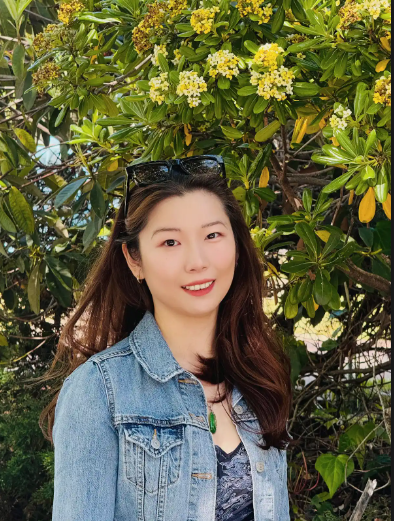
Camilla Guo is the Chief of Staff at TomoCredit, where she leads People, Culture, and Operations with a strategic focus on building and scaling inclusive teams. In her role, she oversees internal recruiting, onboarding, training, and team communications, ensuring the organization attracts and retains top talent while fostering a culture of growth, collaboration, and innovation. Camilla is especially passionate about connecting with global talent and nurturing a dynamic, diverse workforce.
Before joining TomoCredit, Camilla served as Chief of Staff at Alariss Global, where she managed recruiting strategies, onboarding programs, training, and internal communications. Her leadership helped align people operations with business goals and played a pivotal role in shaping a cohesive company culture.
Born and raised in China, Camilla moved to Minneapolis, Minnesota, at the age of 18. She holds a BS in Business and Marketing Education and a Master’s in Human Resource Development from the University of Minnesota, along with an Adult Training Certificate. Her academic and professional journey has equipped her with deep expertise in employee selection, talent development, organizational effectiveness, and workforce training.
Driven by her international perspective and people-first approach, Camilla continues to empower global professionals and champion inclusive leadership in fast-paced, mission-driven environments.
Link
Connect with Camilla via LinkedIn.
About Humane HR Talk
Welcome to Humane HR Talk, where we present insightful interviews with HR industry experts and thought leaders in related fields sharing their strategies, perspectives, and visions for creating more human-centric workplaces. Through these discussions, you’ll gain practical tips and fresh inspiration to transform your HR practices, to foster inclusive, thriving cultures, and to help in your own journey in the evolving world of work.
Share Your Insights
We’d love to hear your thoughts! Share your insights in the comments below.
- What stood out to you about humane HR from what you’ve read?
- What has worked well in your organisation or business?
- What would you recommend?
Disclaimer and Other Relevant Information
The insights and any linked resources in our content are for informational purposes only and do not constitute professional advice. The opinions expressed in our articles reflect the contributors’ perspectives and do not necessarily represent the views of our entire platform. Please consult our policies for more information.
Here are the shortcuts to our policies that must be read along with each other:
- Terms of Service
- Disclaimer and Disclosure
- Privacy Policy
- Voluntary Contribution Policy
- Editorial Guidelines
- Content Submissions
For more details about us and what we do, here are some of the links:
- About Us
- Blog
- Book Review Request Step 3
- Book Reviews and Requests
- Contact
- Content Submissions
- Disclaimer
- Editorial Guidelines
- Humane HR Awards
- Humane HR Awards Winners
- Humane HR Book Reviews
- Humane HR Perspectives
- Magazine
- News
- Our Supporters
- Privacy Policy
- Subscribe
- Support Us
- Terms of Service
- Voluntary Contribution Policy
Here are shortcuts to our content:
- All About Humanising HR
- Book Reviews
- Compensation and Benefits
- Compliance
- Diversity and Inclusion
- Employee Engagement
- Employee Relations
- Humane HR Awards
- Humane HR Perspectives
- Humane HR Talk
- Morale and Welfare
- News and Announcements
- Performance Management
- Recruitment and Selection
- Talent Management
- Training and Development
- Workplace Change Management
- Workplace Communications
- Workplace Health and Safety
Nominate for the Humane HR Awards
Let’s recognise, celebrate, and encourage what’s making the world of work better. It’s free to nominate. Submissions are open all year-round, but why wait? Nominate today!



Leave a comment